Interview with partner SPIDeRR project: Harriet Morf
“My work on the project covers not just medicines, but also areas like machine learning and data analysis, which I find especially interesting”
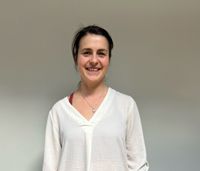
We recently interviewed PD Dr. Harriet Morf, a physician at the University Hospital of Erlangen in Germany, and a researcher involved in the SPIDeRR project. At the Hospital of Erlangen, Morf and her team are currently recruiting patients and testing the German version of Rheumatic to evaluate, among other things, the usability of the tool for potential users. In addition, they have contributed to the development and refinement of the list of key people and organizations , ensuring that all relevant parties for the project are identified and included.
A multidisciplinary approach to health innovation
In February 2025, Morf received her habilitation title. Morf: “Now I will be able to apply for a position at a university, such as a professorship. In addition to my work as a physician and researcher, I am also a yoga teacher and have developed a specialized yoga program for individuals with rheumatic diseases. My passion is physical activity and my intention is to transmit this enthusiasm to the patients with chronic illnesses, as sport has many benefits for them. I am really looking forward to finding a place where I can combine digital medicine, movement therapy, and rheumatology”.
Learning from diverse areas
Morf shares that being part of a European project like SPIDeRR is a valuable opportunity, as it allows her to explore different areas and collaborate with a wide range of people. “For me, it's very meaningful to contribute to the goals of the SPIDeRR project”, she says. “It gives me the chance to learn about many different topics. My work on the project covers not just medicines, but also areas like machine learning and data analysis, which I find especially interesting. I believe there’s a lot to gain from the diverse perspectives of all the countries and partners involved.”
Future phases
Morf and her team are currently focused on evaluating and implementing Rheumatic for use by the general public — following a similar approach to what has already been done in the Netherlands, she explains. They’ve made significant progress so far, including setting up a framework for data sharing. The next step will be to make this information publicly available.
In addition, the team plans to expand patient information about rheumatic diseases beyond the hospital to reach a wider population. This broader outreach marks the next phase of their work.
Comparive analysis
In this next phase, Morf will also compare the data they’ve collected with data from the Netherlands, which has already been gathered. Morf explains: “The difference is that, right now, we’re not recruiting patients in the same way they did at the rheumatology outpatient clinic. Until now, we only perform the initial evaluation, and that’s it. But with our follow-up process, we can check if the diagnosis was correct or incorrect, and then compare it with the data from the Netherlands. I also know that Spain is doing something similar, so this will give us an opportunity to have a bigger impact”.
Final words
Morf concludes the interview by expressing her excitement about meeting her colleagues from the SPIDeRR project at the SPIDeRR conference in Stockholm earlier this year and having the chance to meet everyone in person after previously interacting virtually. “Such a gathering is incredibly meaningful to me, and I think it’s important for all of us to come together face-to-face.”